
A clean environment is one of the foundations of healthy living. Whether it is a home, office, school, market, worship centre, or public space, cleanliness affects the quality of life of everyone who uses that space. Clean surroundings create comfort, reduce sickness, improve appearance, and make people feel safe and welcome.
When an environment is dirty, it becomes a breeding ground for germs, pests, bad odours, and pollution. Waste left unattended can attract flies, rats, cockroaches, and other disease-carrying organisms. Blocked drainages can also lead to stagnant water, flooding, and mosquito breeding, increasing the risk of malaria and other infections.
Cleaning is not only about making a place look beautiful. It is also about protecting people from health hazards. Regular sweeping, mopping, dusting, disinfecting, and waste removal help prevent the spread of bacteria and viruses. In homes, this keeps families safe. In offices and public spaces, it protects workers, customers, visitors, and the wider community.
A clean environment also encourages discipline and responsibility. When people see a well-maintained space, they are more likely to respect it. Clean surroundings promote order, confidence, and productivity. Businesses that maintain clean premises also create a better impression and show that they value their customers and staff.
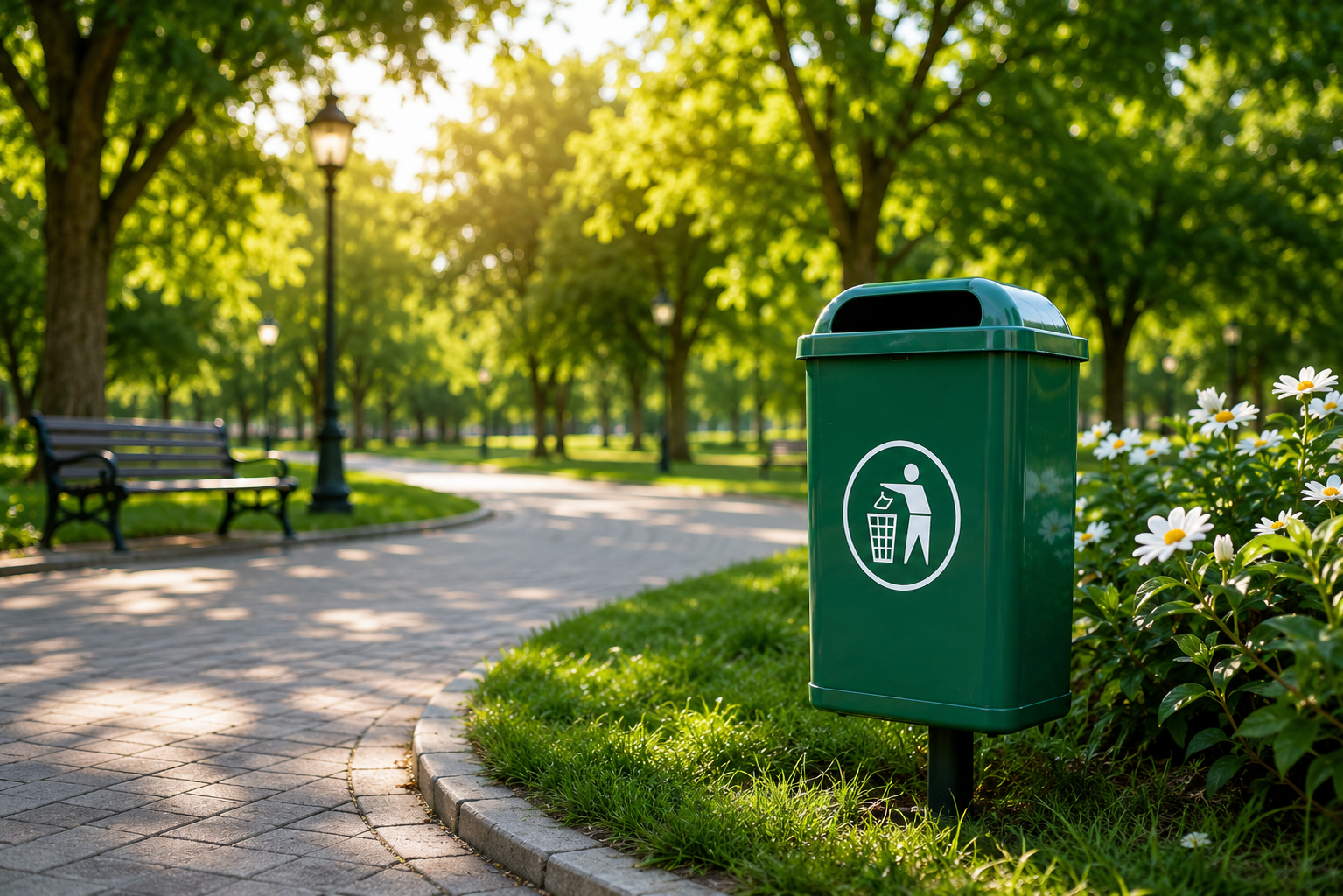
Environmental cleaning should be a shared responsibility. Professional cleaners can provide deep cleaning and proper maintenance, but individuals must also play their part. Simple actions like using waste bins, avoiding littering, cleaning spills immediately, and disposing waste properly can make a big difference.
To build healthier communities, cleanliness must become a daily habit. A clean space protects health, preserves the environment, and improves the way people live and work. When we keep our surroundings clean, we are not only caring for today; we are protecting the future.