Benin City, Nigeria.         haneeefahent@gmail.com


Blog

Simple Cleaning Habits That Protect the Environment

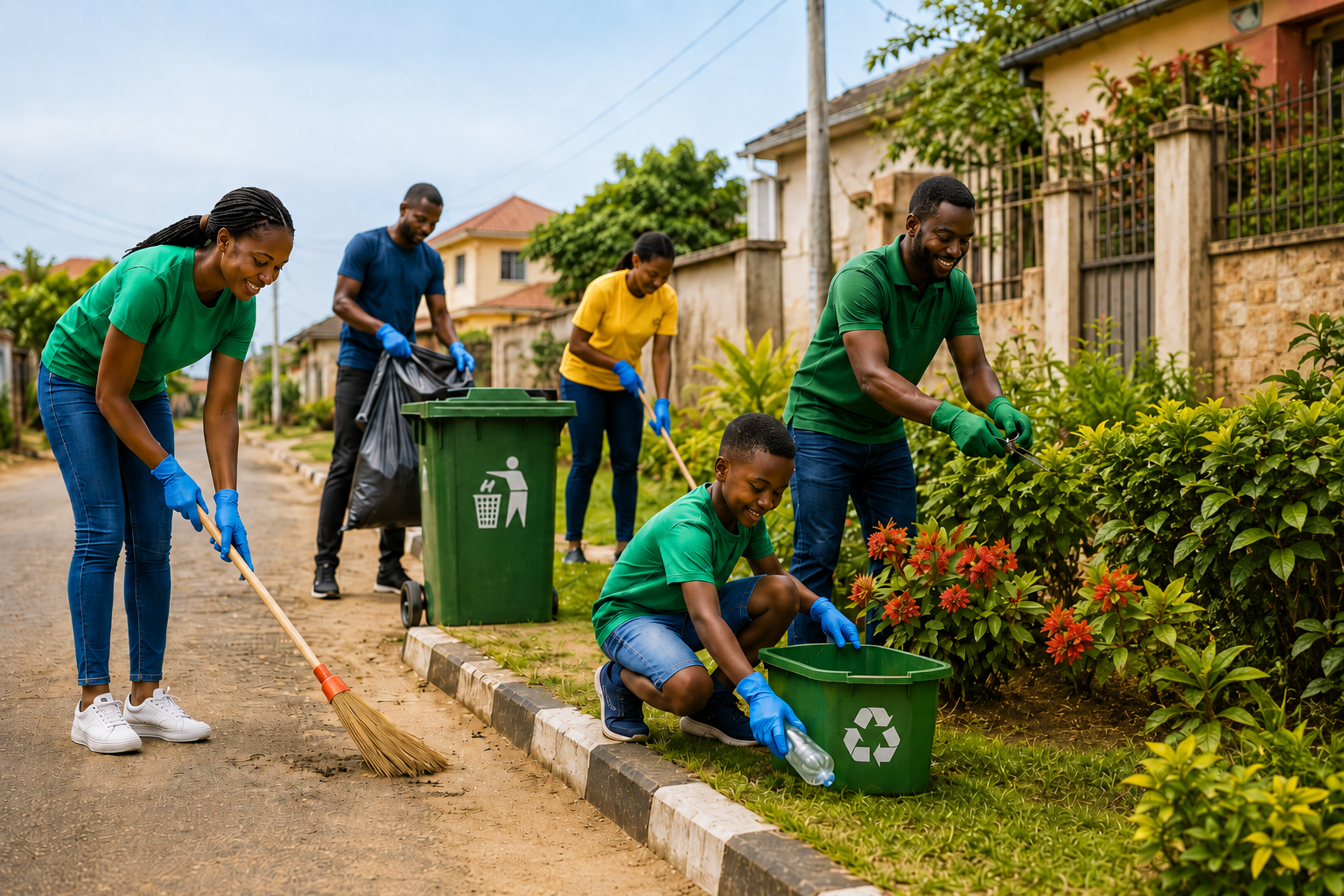
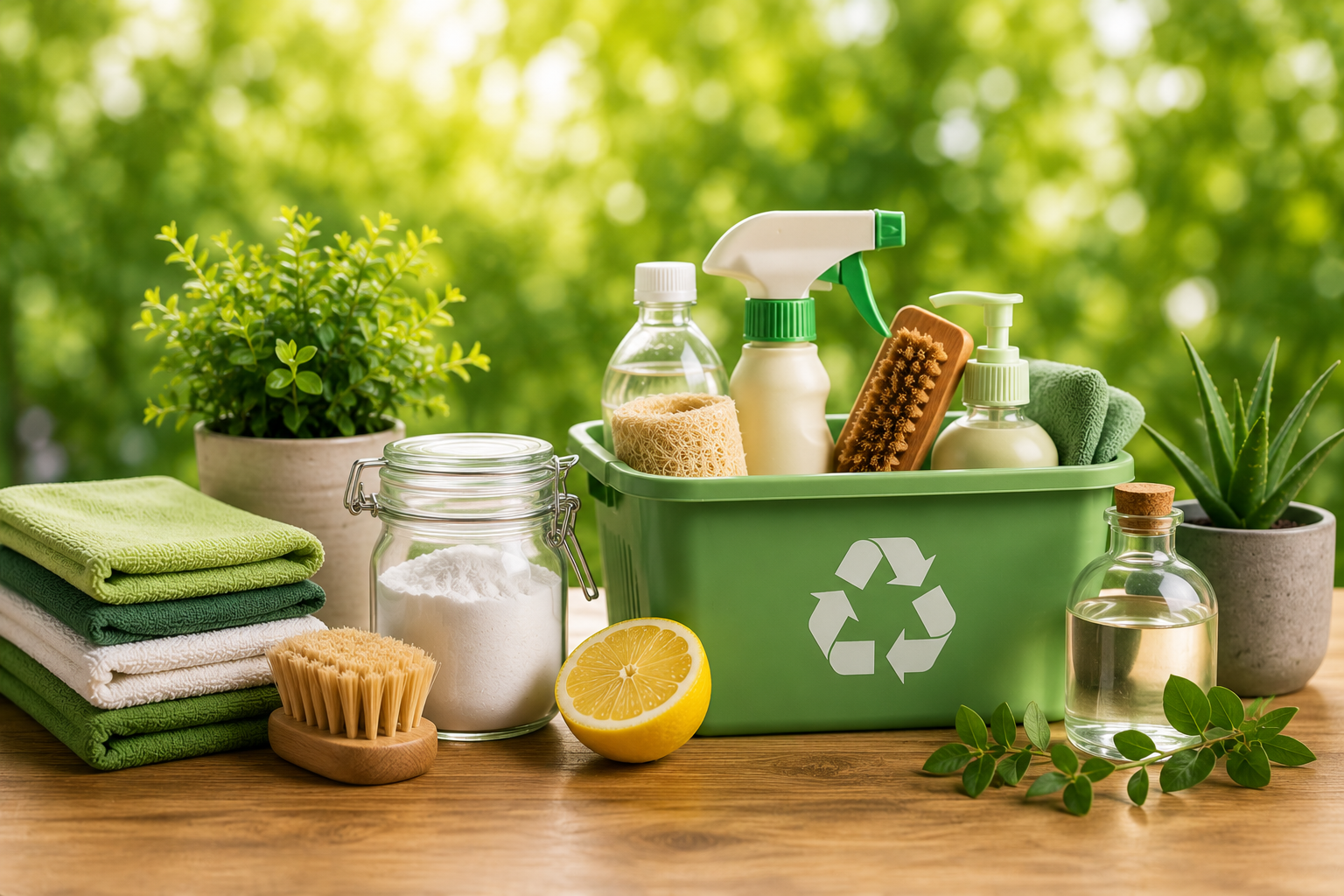
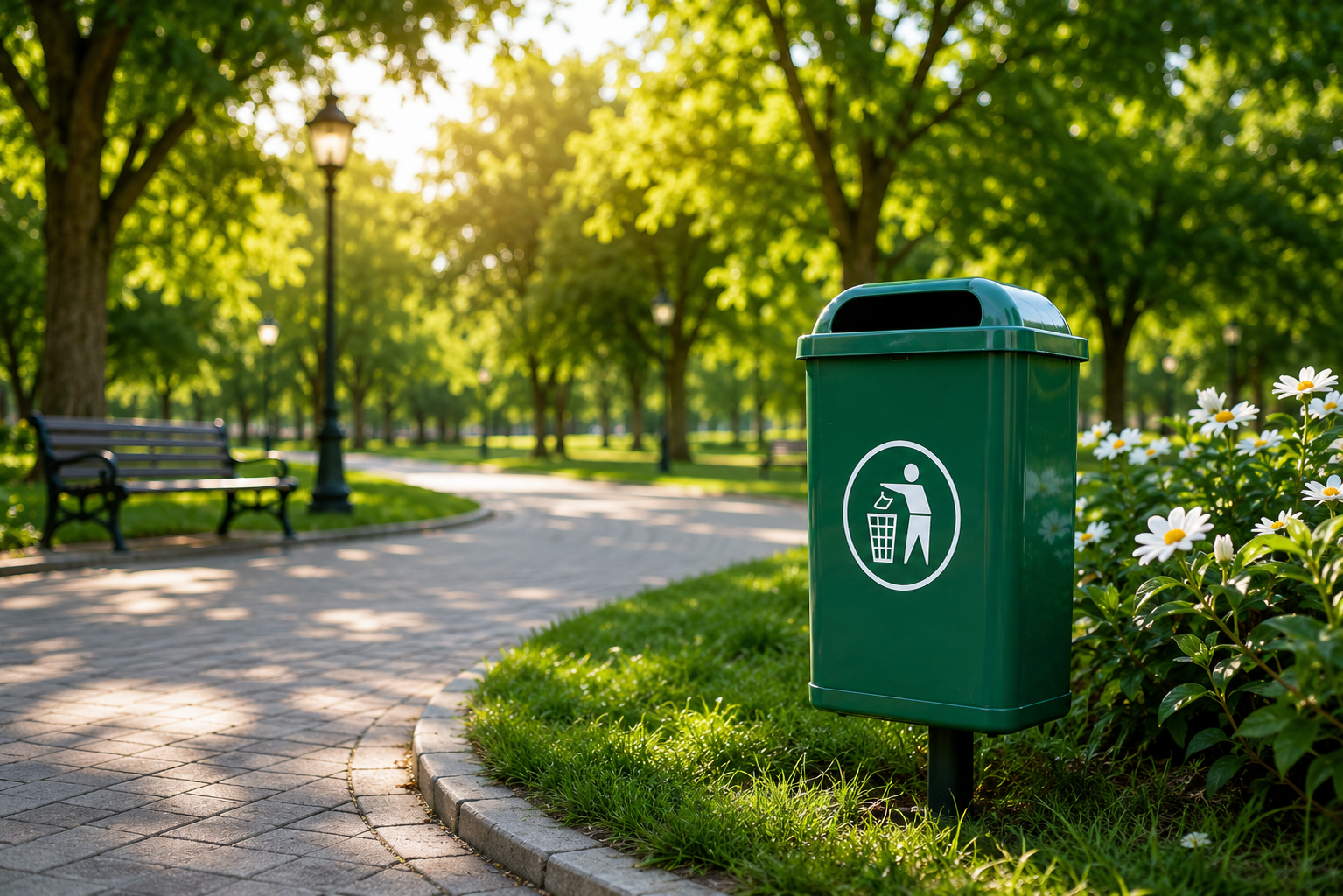
Protecting the environment does not always require big actions. Sometimes, the small habits we practice every day can make the greatest difference. Simple cleaning habits in our homes, offices, streets, and communities can reduce pollution, prevent sickness, and make the environment safer for everyone. One important habit is proper waste disposal. Waste should not be thrown on the road, into gutters, or in open spaces. When waste is dumped carelessly, it blocks drainage channels, causes flooding, produces bad odours, and attracts pests. Using waste bins and disposing of rubbish properly helps keep the environment clean and healthy. Another helpful habit is separating waste. Plastics, bottles, paper, food waste, and other materials should not always be mixed together. Some items can be reused or recycled instead of being thrown away. Recycling reduces pollution and also helps conserve natural resources. Regular cleaning is also essential. Sweeping floors, dusting surfaces, washing restrooms, cleaning kitchens, and removing dirt from surroundings prevent the buildup of germs and unpleasant smells. Clean spaces are healthier and more comfortable for families, workers, customers, and visitors. Water should also be used responsibly during cleaning. Wasting water increases pressure on available water resources. Simple practices like turning off taps when not in use, using only the needed amount of water, and fixing leaking taps can help protect the environment. It is also important to use cleaning products wisely. Harsh chemicals should not be overused or poured carelessly into gutters and water channels. Whenever possible, safer cleaning products and proper dilution methods should be used to reduce harm to people, animals, and the environment. Everyone has a role to play in environmental protection. Cleaners, homeowners, business owners, staff, students, and community members must all contribute. By practicing simple cleaning habits daily, we can reduce pollution, prevent disease, and create cleaner communities. A clean environment begins with responsible people. When we clean properly, dispose of waste correctly, and care for our surroundings, we help build a healthier and more beautiful world.
The Role of Professional Cleaning in Public Health

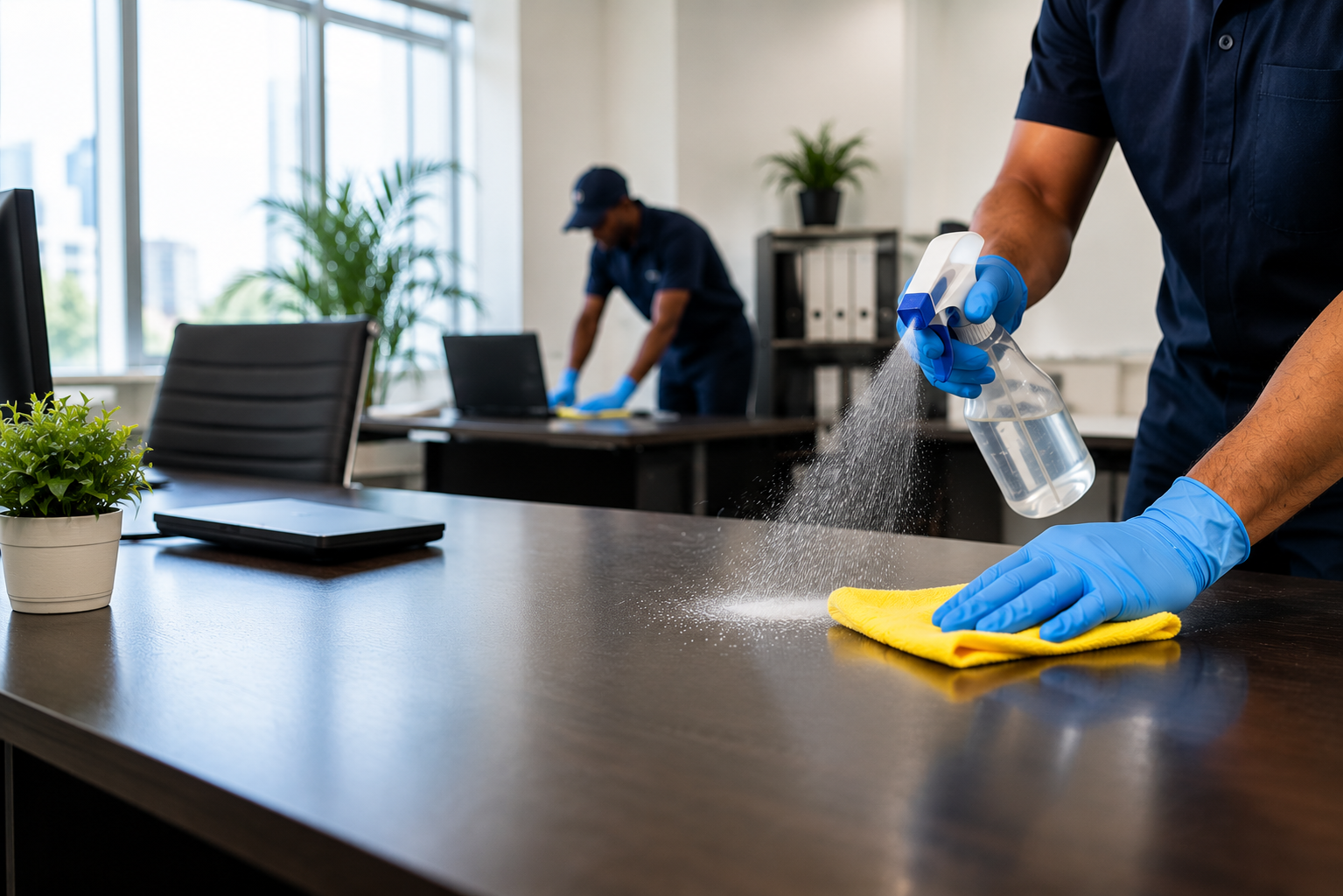
Professional cleaning plays an important role in protecting public health. In places where people gather daily, such as offices, schools, hospitals, hotels, banks, religious centres, shops, and event halls, germs can spread easily through surfaces, floors, restrooms, furniture, and shared equipment. Without proper cleaning, these spaces can quickly become unsafe. Many people think cleaning is only about removing visible dirt. However, professional cleaning goes beyond what the eyes can see. It involves using the right tools, products, and methods to remove dust, stains, bacteria, odours, and harmful microorganisms. This helps create cleaner, safer, and healthier spaces for everyone. High-touch surfaces such as door handles, desks, switches, chairs, railings, counters, and toilet facilities require special attention. These are areas where germs can easily move from one person to another. When they are properly cleaned and disinfected, the risk of infections is reduced. Professional cleaners are trained to understand different cleaning needs. The way an office is cleaned may not be the same way a hospital, restaurant, school, or factory should be cleaned. Each environment requires a suitable cleaning method, depending on the level of use, type of dirt, safety risks, and hygiene requirements. Clean spaces also improve productivity and confidence. Workers perform better in neat and healthy environments. Customers feel more comfortable in clean business premises. Visitors also judge the seriousness and professionalism of an organization by how clean and well-maintained its space looks. In addition, professional cleaning helps preserve property. Regular cleaning can extend the life of carpets, floors, furniture, windows, walls, and equipment. This saves money in the long run by reducing damage, stains, and early replacement costs. Public health begins with clean environments. By investing in professional cleaning services, homes, businesses, and institutions are not only improving appearance; they are protecting lives, preventing disease, and creating spaces where people can live, work, learn, and gather safely.

Why Clean Spaces Matter for a Healthy Environment

A clean environment is one of the foundations of healthy living. Whether it is a home, office, school, market, worship centre, or public space, cleanliness affects the quality of life of everyone who uses that space. Clean surroundings create comfort, reduce sickness, improve appearance, and make people feel safe and welcome. When an environment is dirty, it becomes a breeding ground for germs, pests, bad odours, and pollution. Waste left unattended can attract flies, rats, cockroaches, and other disease-carrying organisms. Blocked drainages can also lead to stagnant water, flooding, and mosquito breeding, increasing the risk of malaria and other infections. Cleaning is not only about making a place look beautiful. It is also about protecting people from health hazards. Regular sweeping, mopping, dusting, disinfecting, and waste removal help prevent the spread of bacteria and viruses. In homes, this keeps families safe. In offices and public spaces, it protects workers, customers, visitors, and the wider community. A clean environment also encourages discipline and responsibility. When people see a well-maintained space, they are more likely to respect it. Clean surroundings promote order, confidence, and productivity. Businesses that maintain clean premises also create a better impression and show that they value their customers and staff. Environmental cleaning should be a shared responsibility. Professional cleaners can provide deep cleaning and proper maintenance, but individuals must also play their part. Simple actions like using waste bins, avoiding littering, cleaning spills immediately, and disposing waste properly can make a big difference. To build healthier communities, cleanliness must become a daily habit. A clean space protects health, preserves the environment, and improves the way people live and work. When we keep our surroundings clean, we are not only caring for today; we are protecting the future.

Simple Ways to Keep Your Environment Clean and Healthy

Keeping the environment clean is everyone’s responsibility. A clean environment protects health, improves comfort, reduces pollution, and makes communities more beautiful. Whether at home, in the office, at school, or in public spaces, small daily actions can make a big difference. One simple way to keep the environment clean is proper waste disposal. Waste should be placed in bins and not thrown on roads, gutters, or open spaces. Careless disposal can block drainage, cause flooding, attract pests, and create bad smells. Another important habit is regular cleaning. Sweeping, mopping, dusting, washing, and removing waste should be done consistently. When cleaning is delayed, dirt becomes harder to remove and the environment becomes unhealthy. It is also helpful to reduce clutter. Unused items, old papers, broken materials, and unnecessary objects can make a space look dirty and disorganized. Removing clutter makes cleaning easier and improves safety. Water should be used wisely during cleaning. Avoid wasting water and repair leaking taps quickly. Responsible water use supports environmental care and reduces unnecessary waste. People should also avoid burning waste carelessly. Smoke from burning plastics and rubbish can pollute the air and harm people’s health. Safer waste disposal methods should always be encouraged. Cleanliness begins with discipline. If every person takes responsibility for their surroundings, homes, offices, and communities will become healthier and more pleasant. A clean environment is not achieved in one day; it is built through daily habits and consistent care.

Why Event Cleaning Is Important Before and After Every Occasion

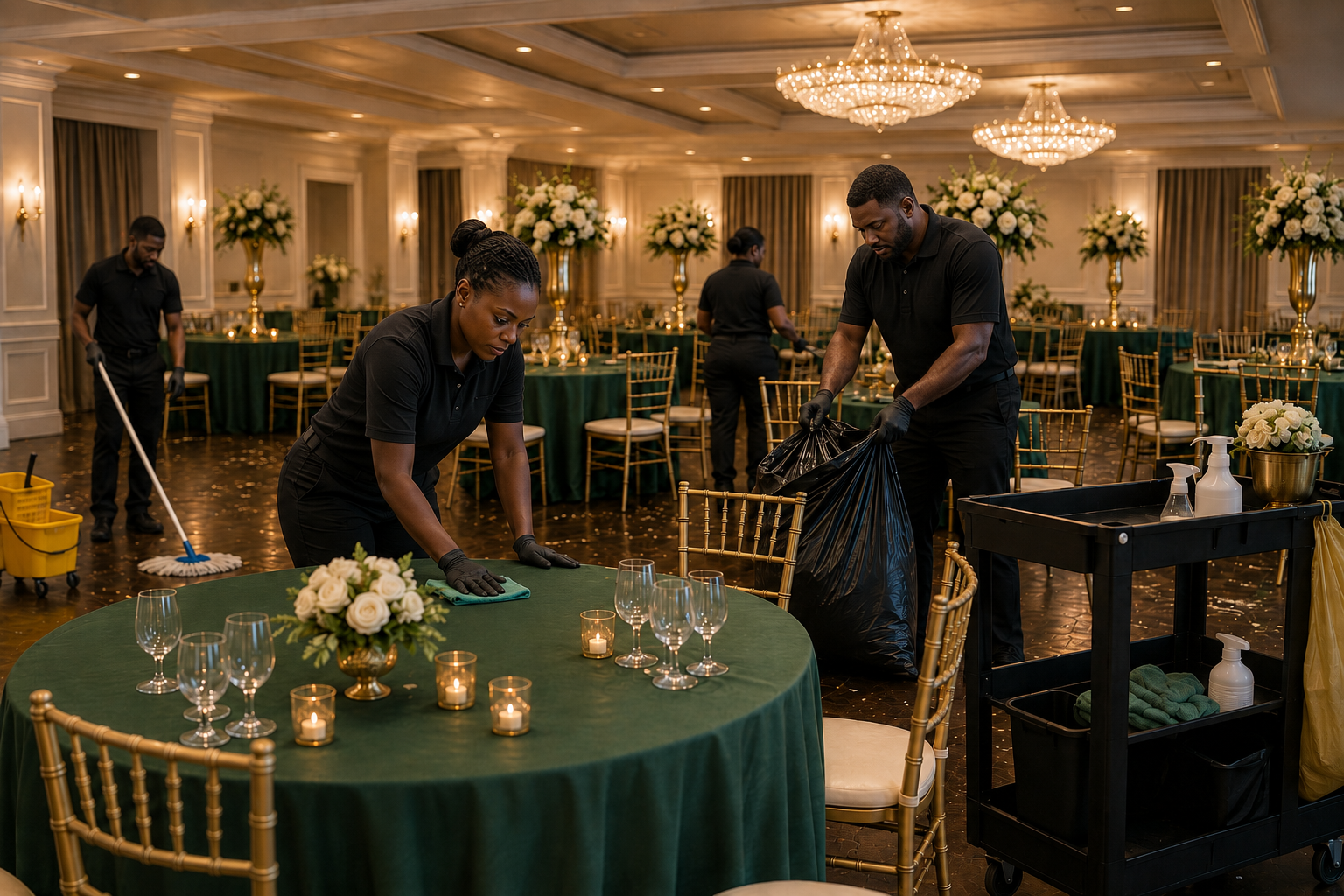
Events bring people together for celebration, meetings, worship, business, learning, and entertainment. However, every successful event also requires proper cleaning before and after the occasion. A clean venue creates a good impression and helps guests feel comfortable. Before an event, cleaning prepares the space for use. Floors, tables, chairs, restrooms, entrances, windows, and surrounding areas should be neat and fresh. A dirty venue can make guests uncomfortable and damage the image of the organizers. During events, waste can build up quickly. Food packs, cups, bottles, tissues, decorations, and other materials may be scattered around. Having cleaning support during the event helps keep the environment organized and prevents embarrassment. After the event, cleaning becomes even more important. Most venues are left with litter, spills, stains, food waste, and disorganized furniture. If this is not handled quickly, stains may become harder to remove, bad smells may develop, and pests may be attracted. Professional event cleaning saves time and stress. Instead of organizers worrying about waste and cleanup, trained cleaners can restore the venue properly. They remove rubbish, clean floors, arrange spaces, wash restrooms, and leave the environment ready for future use. Event cleaning also protects the venue owner’s property. Proper cleaning helps preserve floors, carpets, furniture, walls, and decorations from damage caused by spills and dirt. Every event should begin and end with cleanliness. Clean venues create better experiences, protect health, and show professionalism. Whether the event is small or large, cleaning should always be part of the plan.

The Importance of Post-Construction Cleaning After Building Projects

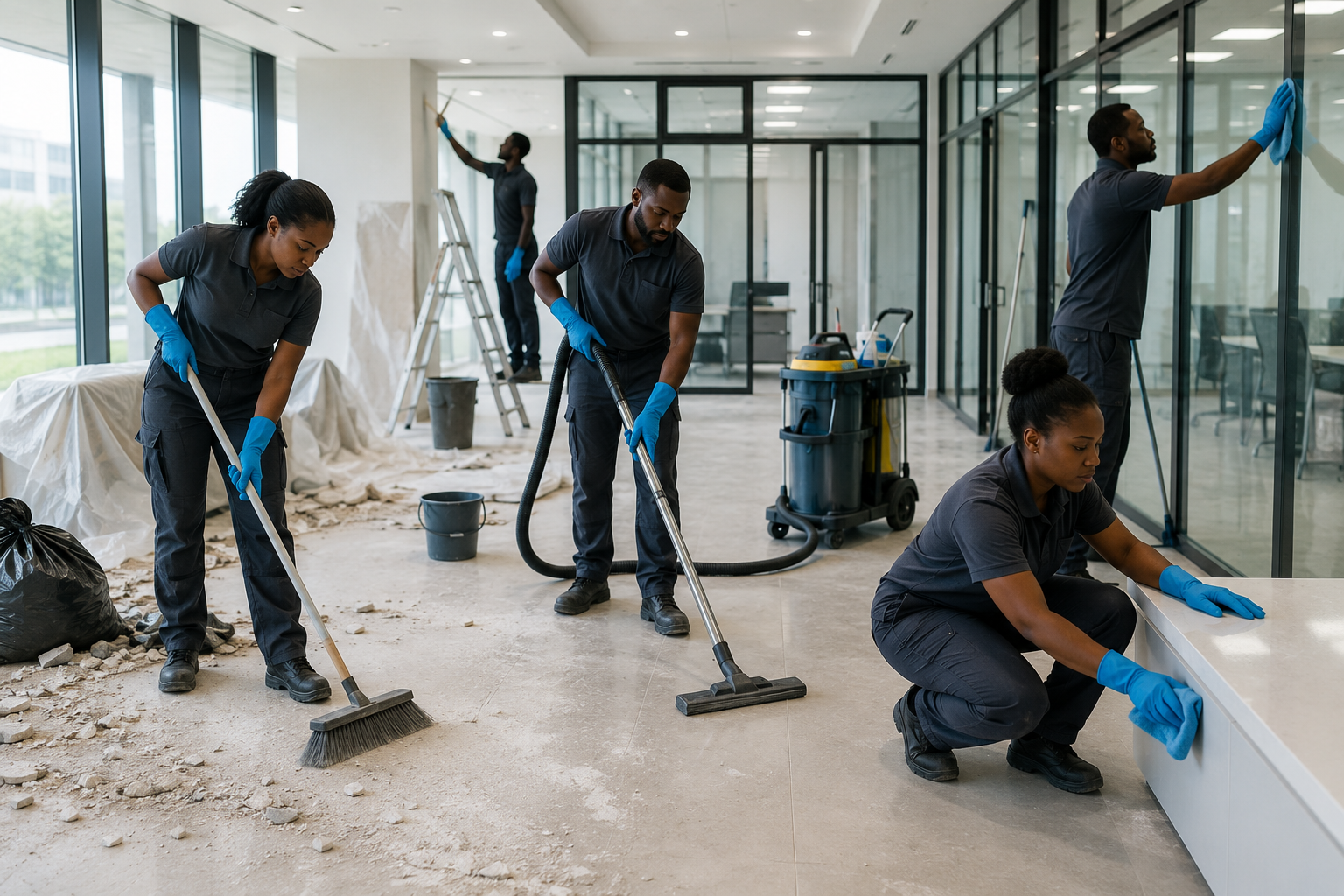
After construction or renovation, a building may look completed, but it is usually not ready for use until it has been properly cleaned. Construction work leaves behind dust, cement stains, paint marks, wood particles, broken materials, packaging waste, and other debris. This is why post-construction cleaning is very important. Post-construction cleaning helps transform a building site into a clean, safe, and usable space. Without proper cleaning, dust can settle on floors, windows, walls, ceilings, doors, and furniture. This can affect the appearance of the building and make it uncomfortable for people moving in. Construction dust can also affect health. Fine particles may enter the air and cause coughing, sneezing, irritation, or breathing discomfort. Proper cleaning helps remove these particles and improves the air quality of the space. Another reason post-construction cleaning is important is safety. Nails, broken glass, sharp objects, cement pieces, and leftover construction materials can cause injury. Removing these hazards helps protect workers, owners, tenants, and visitors. Professional cleaners understand how to handle post-construction mess. They can clean floors, polish surfaces, remove stains, wash windows, clear debris, clean restrooms, and prepare the entire space for handover or occupation. For businesses, post-construction cleaning also improves presentation. A newly built or renovated office, shop, hotel, school, or home should look fresh and impressive. Dusty floors and stained windows can reduce the beauty of the project. Construction work is not truly finished until the space is properly cleaned. Post-construction cleaning gives the final touch that turns a project into a ready, safe, and attractive environment.

How Industrial Cleaning Improves Safety in Factories and Warehouses

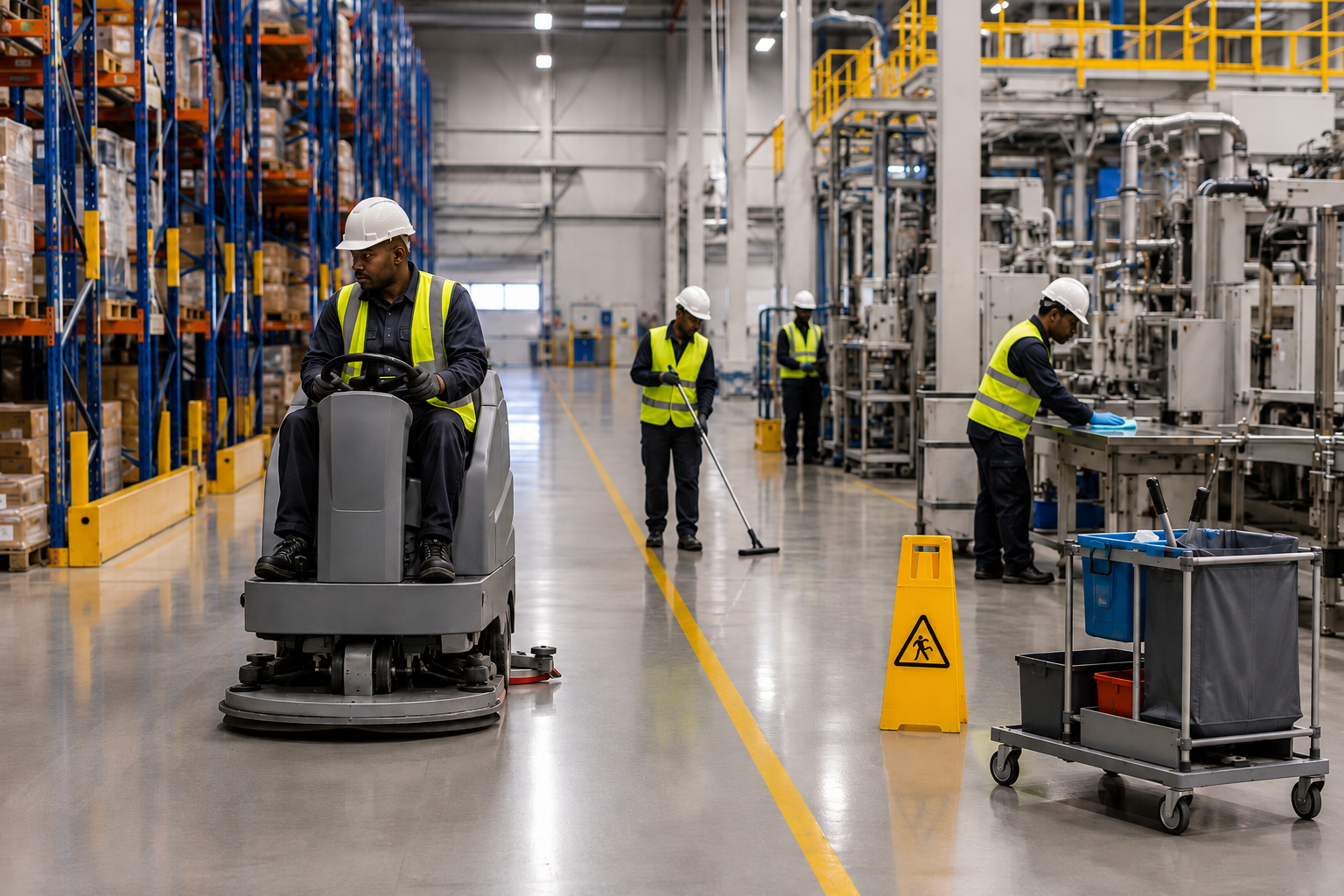
Industrial environments require serious cleaning because they are often exposed to heavy use, machinery, dust, oil, waste, chemicals, and constant movement of people and goods. Factories, warehouses, workshops, and production areas can become unsafe if they are not cleaned properly. One of the major benefits of industrial cleaning is accident prevention. Dirty floors, oil spills, loose materials, and blocked pathways can cause slips, falls, and injuries. Regular cleaning helps keep walkways, workstations, storage areas, and machine spaces safer. Industrial cleaning also helps protect equipment. Dust, grease, and waste buildup can affect machines and reduce their efficiency. When machines and surrounding areas are cleaned regularly, equipment can function better and last longer. Clean industrial spaces also support productivity. Workers perform better when their environment is organized and safe. If materials are properly arranged and waste is removed, movement becomes easier and work can continue without unnecessary delays. Hygiene is also important in factories and warehouses, especially where food, packaging, medical supplies, or sensitive products are handled. Clean facilities reduce contamination risks and help businesses maintain acceptable standards. Professional industrial cleaning requires the right knowledge and tools. It is different from ordinary cleaning because industrial spaces may involve heavy dirt, large surfaces, special equipment, and safety procedures. Skilled cleaners understand how to work carefully in these environments. A clean industrial facility is safer, more efficient, and more professional. By investing in proper industrial cleaning, companies protect their workers, equipment, products, and reputation.

Scroll to top